- Free shipping*
- 100 days returns
- Low prices
- 5 million products
Black Friday Deals
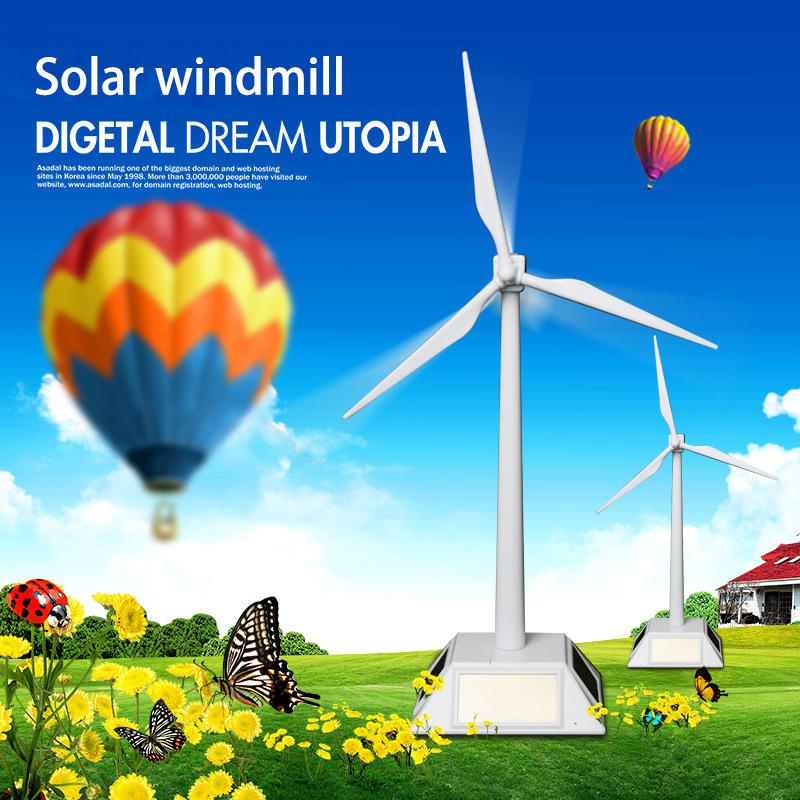
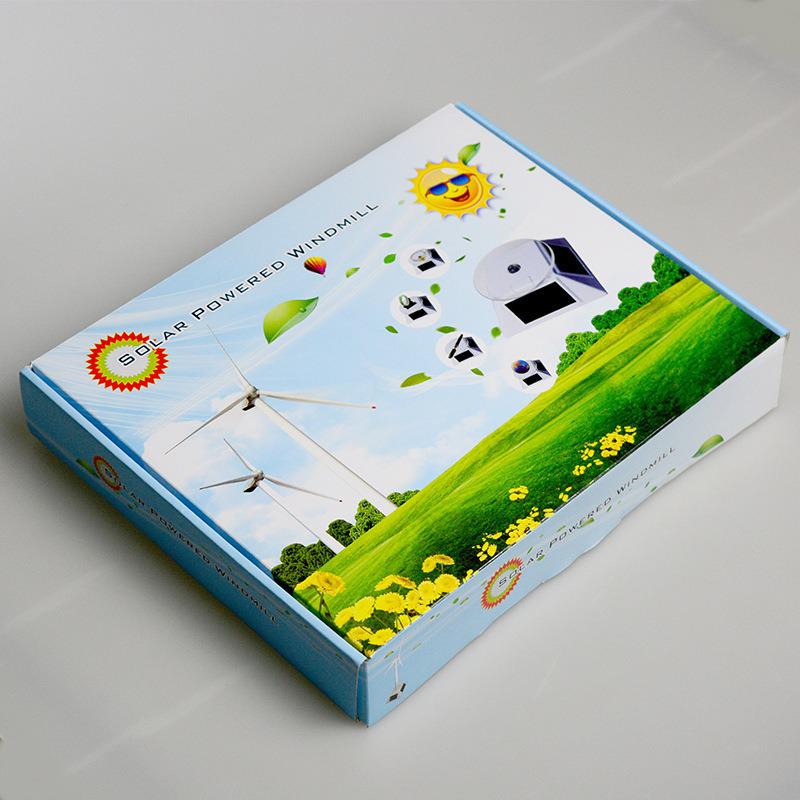
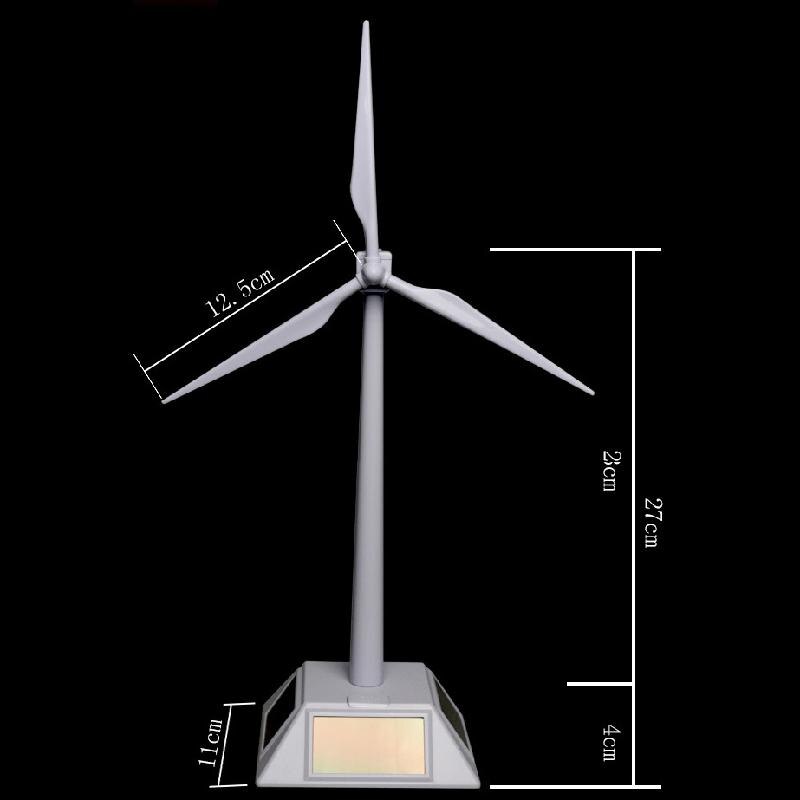
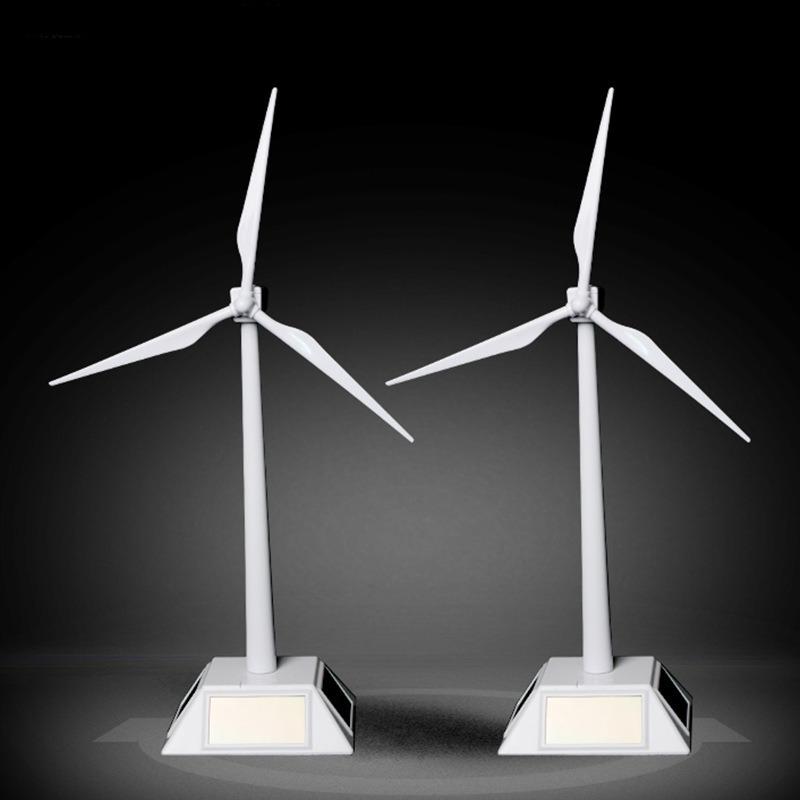
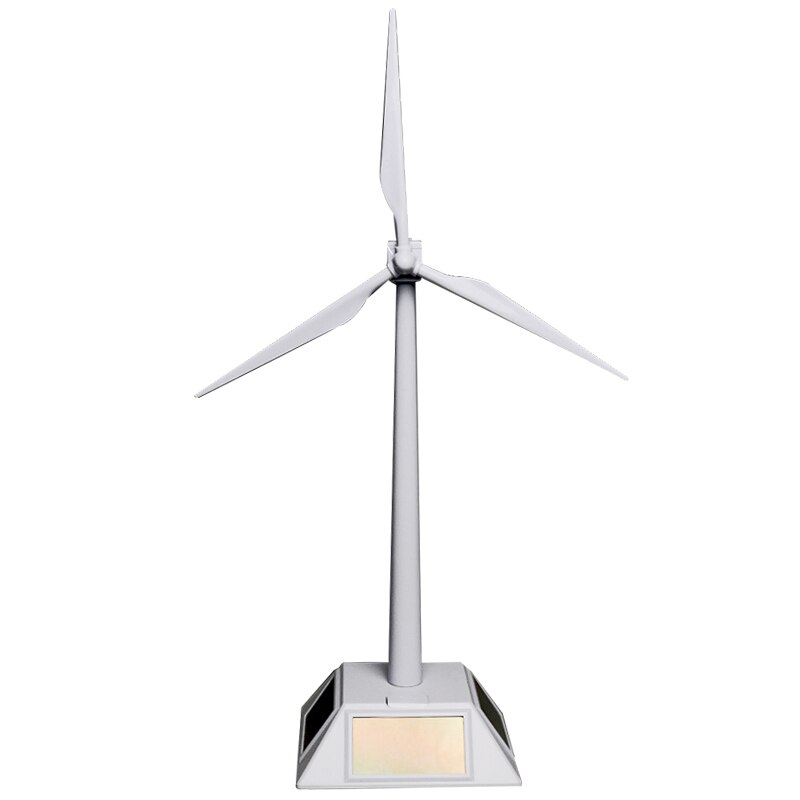
Solar Powered Windmill Toy - Desktop Science Education Model Turbine Ornament DIY
DIY Assembled Solar Windmill Toy
This solar-powered windmill toy is a fun and educational model, perfect for desktop decoration and hands-on science experiments. It's designed for children aged 8-15 years, offering an engaging way to learn about solar energy and engineering.
- Solar-powered operation requires no batteries
- Durable plastic construction for longevity
- Engaging DIY assembly process
How Does the Solar Windmill Work?
The windmill toy operates using solar energy, converting sunlight directly into mechanical power to spin its blades. When exposed to sufficient light, the integrated solar panel powers a small motor, demonstrating the principles of renewable energy in a tangible way.
This feature makes it an excellent tool for teaching children about sustainable power sources and basic electrical circuits. The assembly process itself is a valuable learning experience, enhancing fine motor skills and problem-solving abilities.
Educational Science Experiment
This model serves as an excellent experimental toy for science education, encouraging curiosity about renewable energy and mechanics. The straightforward assembly makes it accessible for young students, while the solar-powered functionality provides a clear demonstration of energy conversion.
It's an ideal gift for aspiring scientists and engineers, fostering an early interest in STEM fields. The compact size makes it a great addition to any desk or learning space, serving as both an educational tool and an attractive ornament.
Specifications:
- Gender: Unisex
- Age Range: 8-15 Years
- Material: Plastic
Frequently Asked Questions:
Is this solar windmill toy easy to assemble?
Yes, this solar windmill toy features a DIY assembled design that is straightforward and engaging for children. The assembly process is intended to be educational and fun, enhancing problem-solving skills.
What age group is this solar windmill toy suitable for?
This solar windmill toy is recommended for children aged 8 to 15 years. It's designed to be educational and engaging for pre-teens and teenagers interested in science and technology.
Does the solar windmill toy require batteries?
No, this solar windmill toy is powered entirely by solar energy. It features an integrated solar panel that converts sunlight into power to spin the blades, making it an excellent demonstration of renewable energy.
What are the main educational benefits of this toy?
The toy provides hands-on learning about solar power, renewable energy, and basic engineering principles. The DIY assembly also helps develop fine motor skills and encourages an interest in STEM fields.
- Free shipping*
- 100 days returns
- Low prices
- 5 million products